Customer: EDP Spain
Location: Río Narcea (Asturias)
Dates: 2026
Area: Environmental assessment and biodiversity
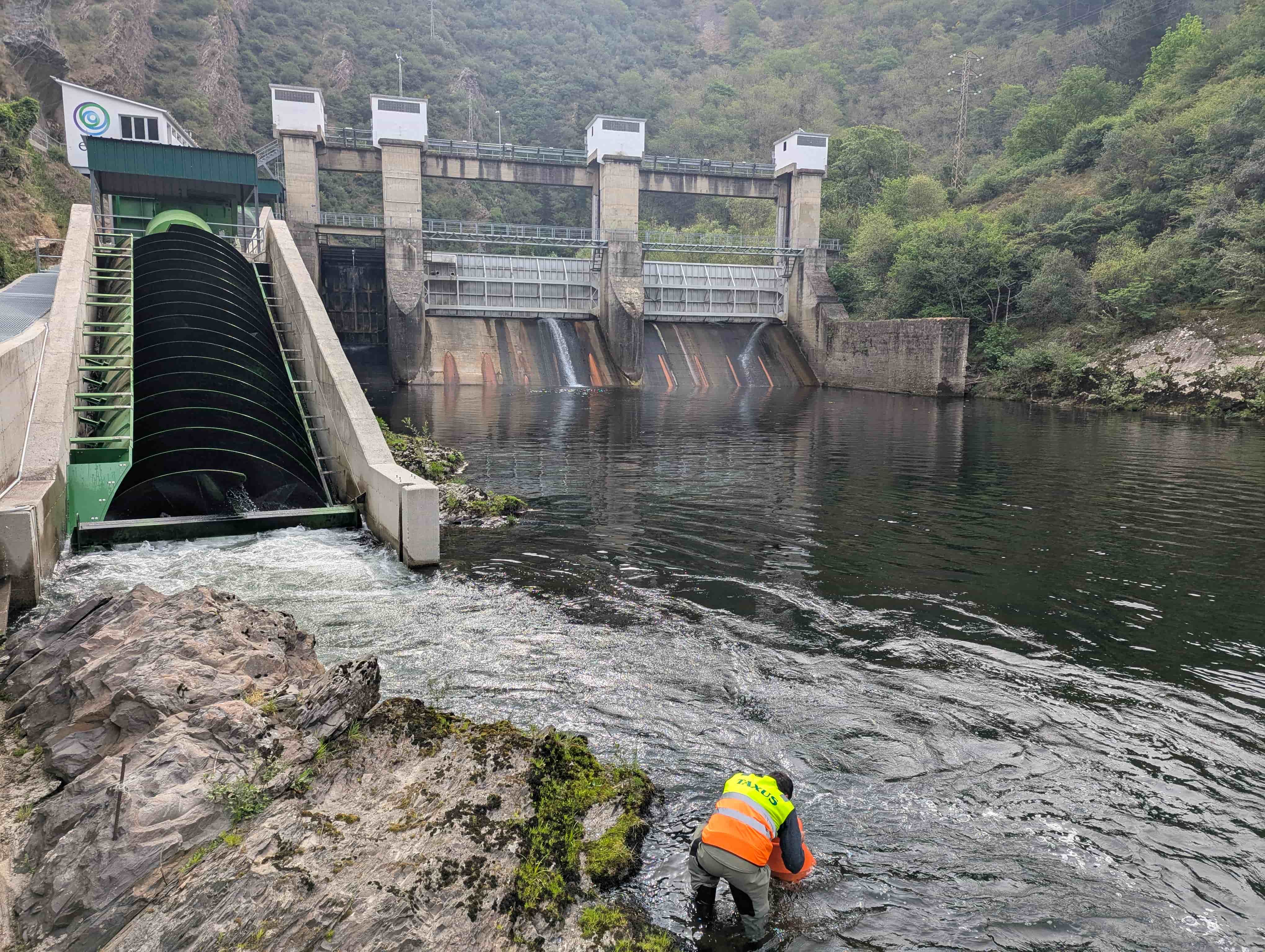
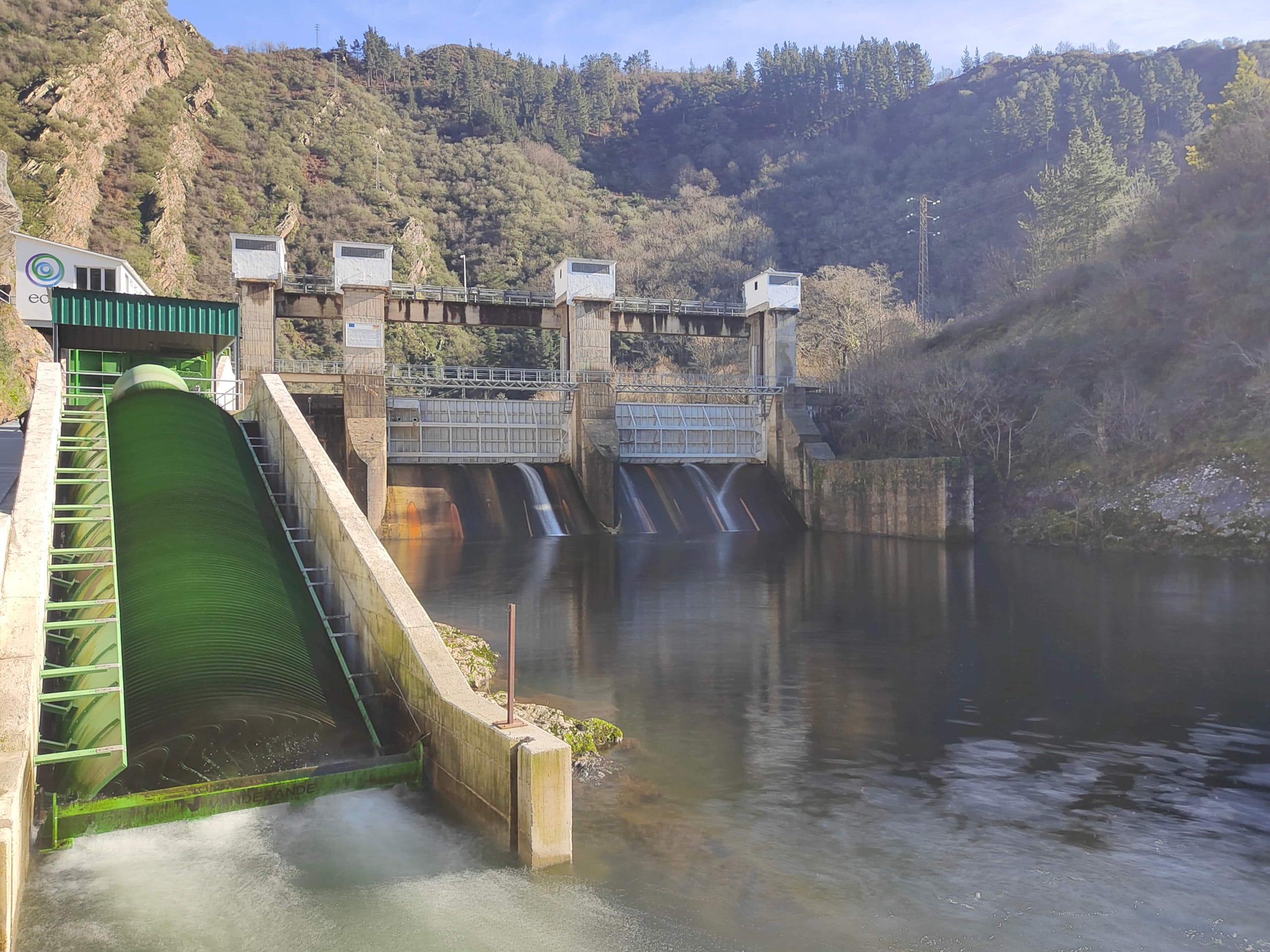
TAXUS Environment is carrying out the environmental monitoring of the hydro screw installed in the surroundings of the La Florida dam, in the Narcea river, in order to evaluate its integration in the fluvial environment and check the possible effect on aquatic fauna.
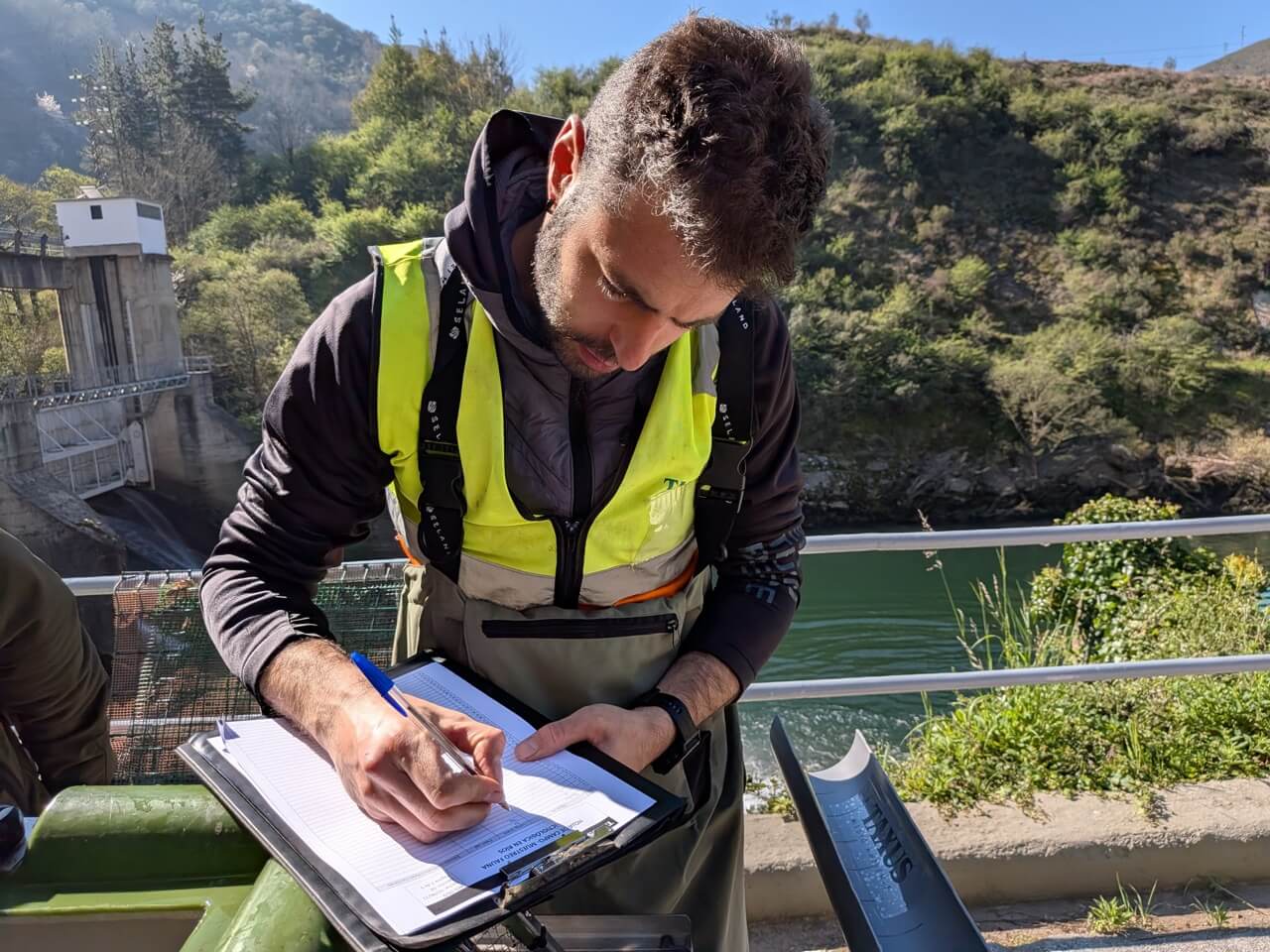
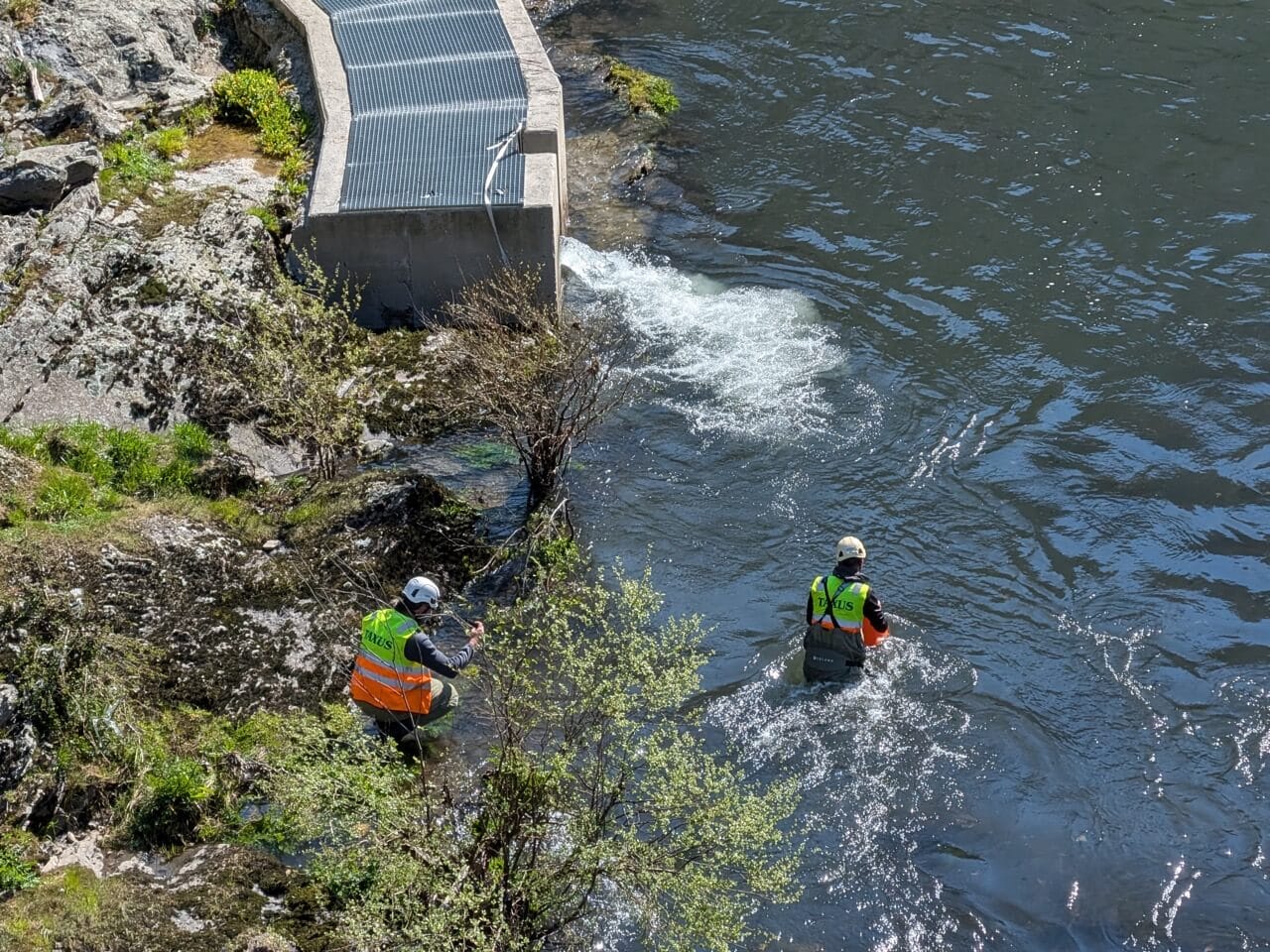
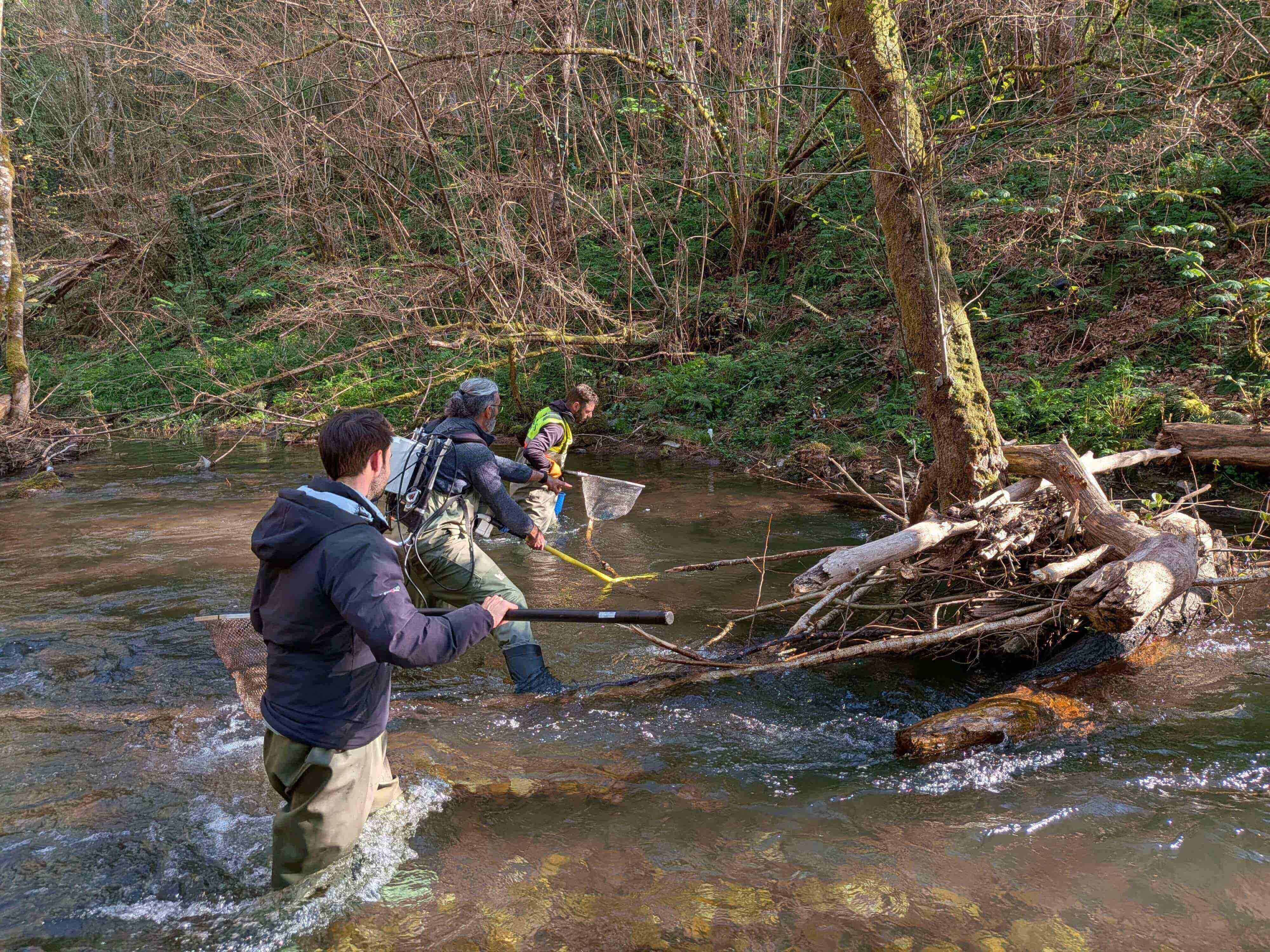
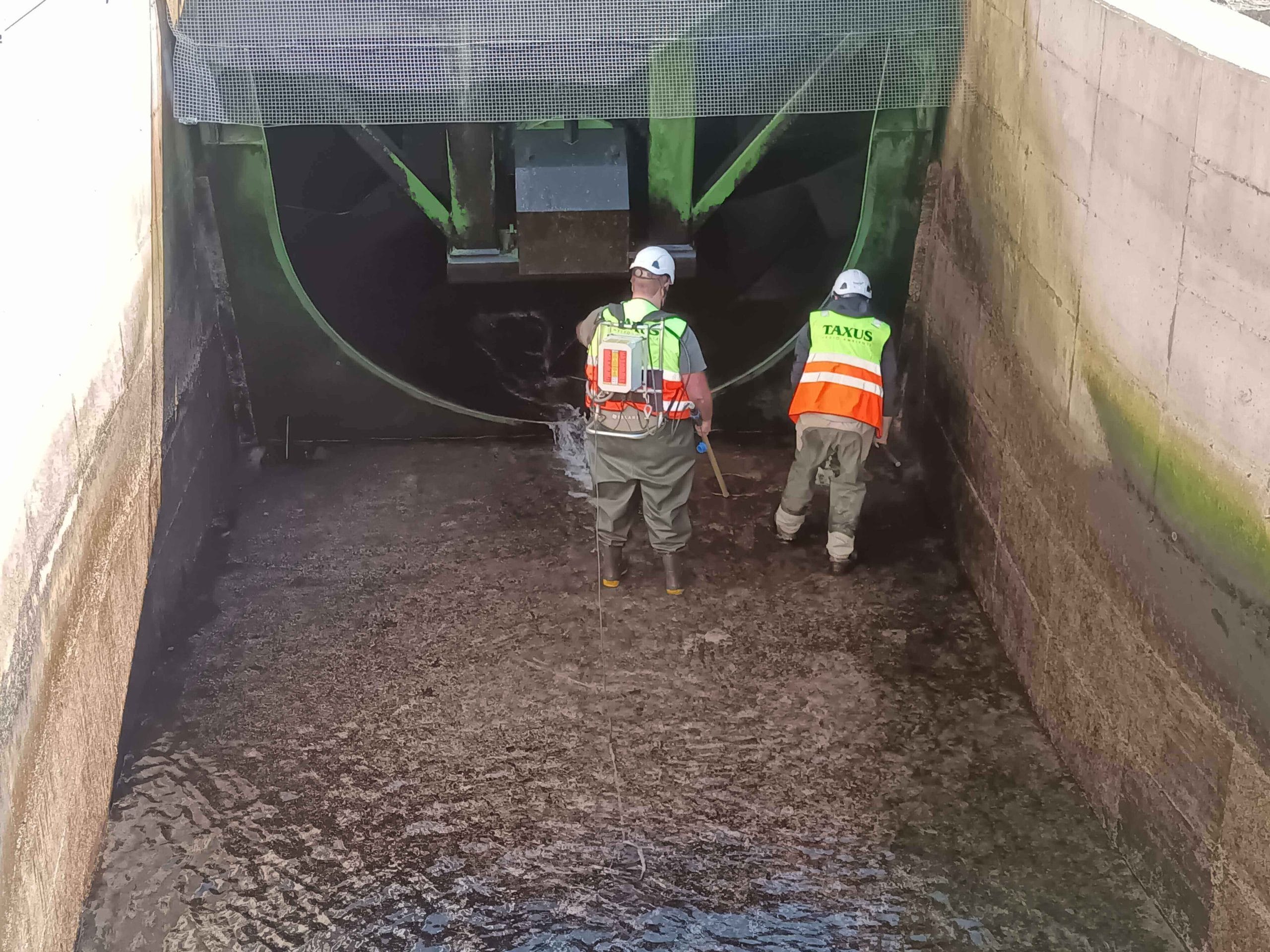
The work is part of the Environmental Monitoring Plan and includes periodic checks of the riverbed and the infrastructures associated with the hydroscrew. During the monitoring visits, the area around the outlet of the system, the fish ladder, the intake grid, the inlets and outlets of the hydroscreens and the downstream areas are inspected. These inspections are carried out through direct observation, wading, the use of a hand sieve and a hand scoop, checking banks, surface, bottom of the channel, stones, aquatic vegetation, roots and other refuges where affected fauna could be detected.
In addition, the monitoring incorporates a continuous video surveillance system using cameras installed on the surface and in the aquatic environment. This system provides permanent information on the use of the area by the ichthyofauna and complements the on-site inspections. In addition, within the framework of the Ictioscrew project, work has been carried out on remote monitoring methodologies and fish identification using artificial intelligence, although the hydraulic conditions of the environment, with turbulence, bubbles and episodes of turbidity, condition the quality of the underwater images.
The monitoring is completed with experimental mortality tests, designed to evaluate in a controlled manner the passage of fish through the hydroscrew. To this end, fish are captured by electrofishing in appropriate sections of the river, their condition is previously checked, they are transferred under controlled conditions and released in a staggered manner at the entrance of the hydroscrew. After passing through the facility, the fish are recaptured by means of blocking systems and are subjected to a detailed visual inspection, biometric parameters are taken and photographs are taken to identify possible injuries or damage.
This continuous monitoring provides key technical information to assess the compatibility of this type of hydroelectric solution with the conservation of river fauna and to propose operational improvements when necessary.