
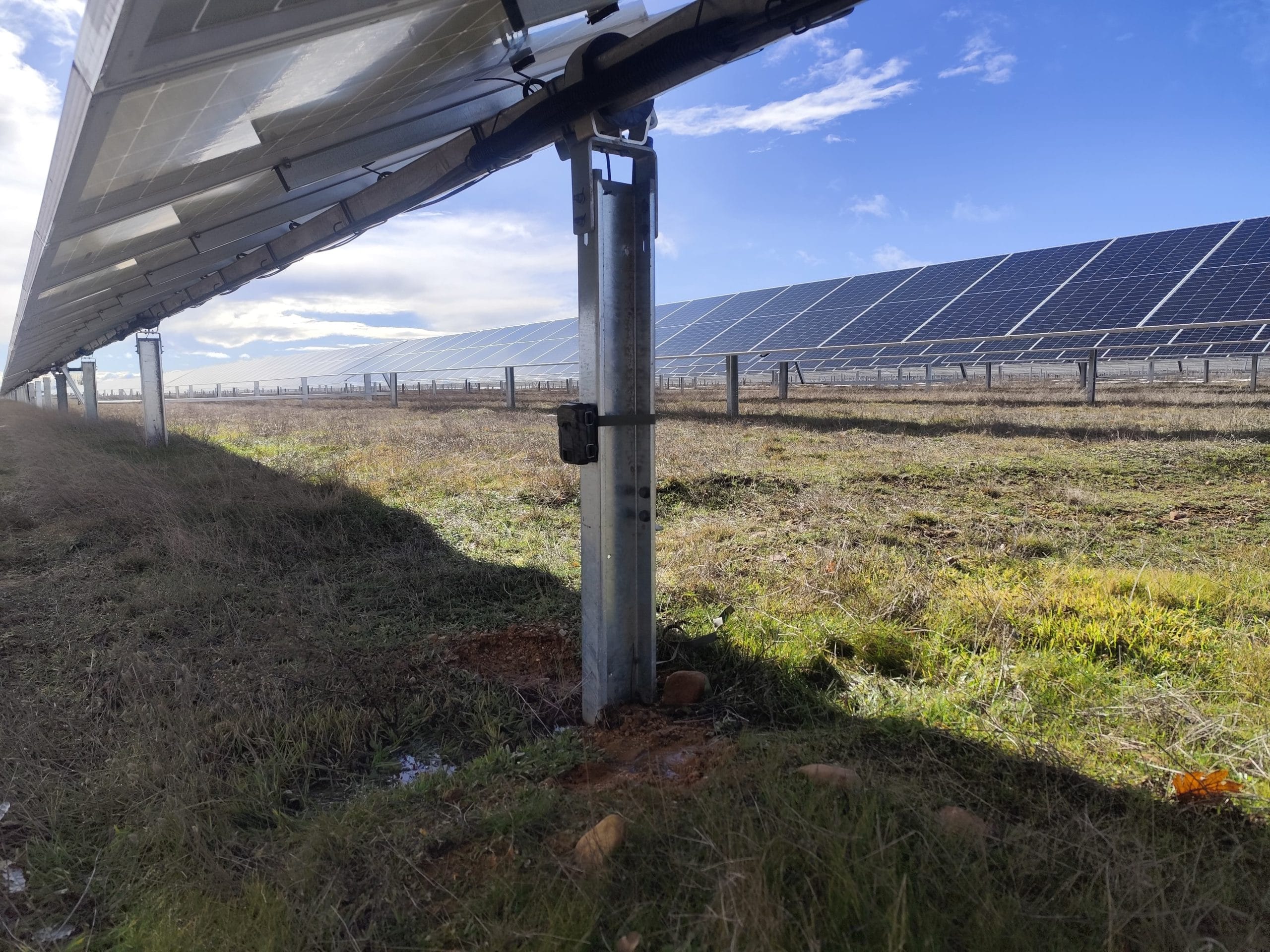
The Environmental Impact Assessment (EIA) is a key requirement in the development of renewable energy projects, especially in photovoltaic solar plants. A fundamental aspect within the Environmental Impact Assessment is landscape integration, since the visual perception of these installations can influence social acceptance and the viability of the project.
At TAXUS Medio Ambiente, as an environmental consulting firm, we apply advanced methodologies in Environmental Impact Assessment, incorporating sharpness threshold studies to accurately quantify the visual impact and propose effective mitigation strategies.
Environmental Impact Assessment and its Landscape Approach
The visibility of a solar plant depends not only on its size or extension, but also on the distance and perception of the observer. The traditional visual impact analysis is based on visual basin studies, but at TAXUS Environment we go a step further, applying sharpness criteria that allow:
- Quantify the perception of the project as a function of distance.
- Evaluate how clearly the PV plant is distinguishable in the landscape.
- Optimize corrective measures in Environmental Impact Studies.
This innovative approach improves the accuracy of the Environmental Impact Assessment, allowing more effective decisions to be made for the integration of the facilities into the environment.
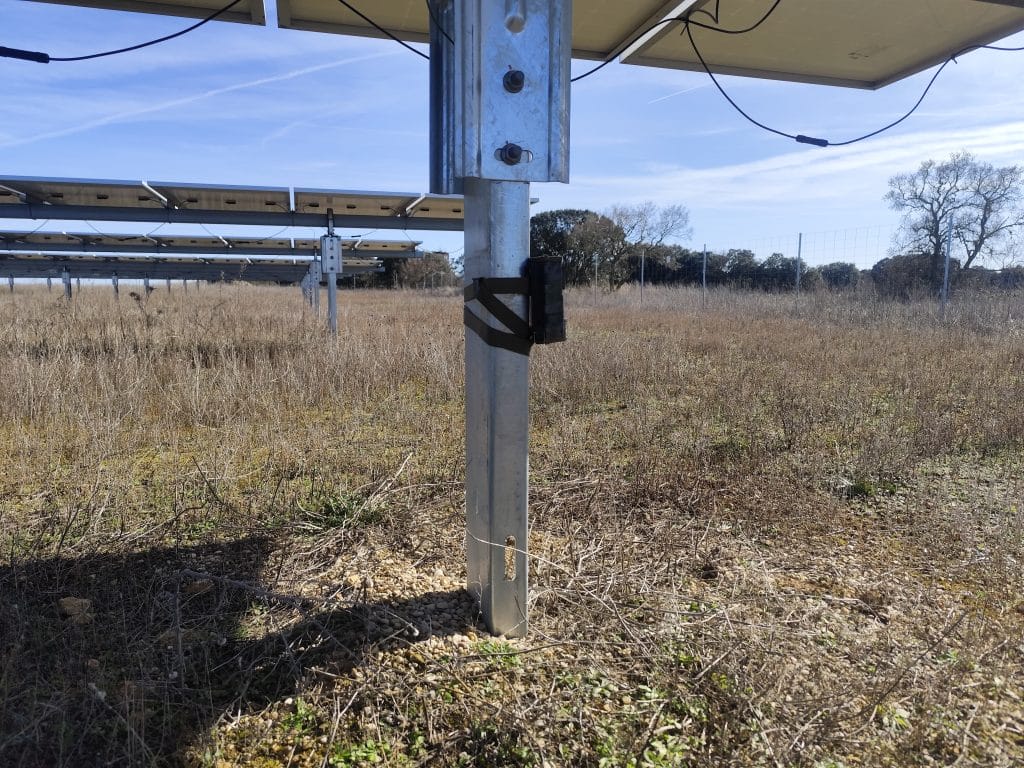
Methodology Applied in Visual Impact Assessment
In order to minimize the landscape impact in solar plants, TAXUS Medio Ambiente follows a procedure structured in three phases:
Visual Watershed Analysis
Using Geographic Information Systems (GIS) tools, the area of visual influence of the project is identified, determining from which points it is visible and to what extent.
2. Classification of Sharpness Thresholds
Visual perception ranges are established based on scientific studies on the ability of the human eye to differentiate elements in the landscape.
| Sharpness Threshold | Distance to the Project |
| Maximum | 0 – 500 m |
| Very High | 500 – 1.000 m |
| High | 1.000 – 1.500 m |
| Media | 1.500 – 2.000 m |
| Download | 2.000 – 2.500 m |
| Very Low | More than 2,500 m |
This analysis allows the integration of visual perception criteria within the Environmental Impact Assessment, generating a more realistic study of the landscape impact.
3. Proposed Mitigation Measures in Environmental Impact Studies
Based on the visibility analysis, solutions are designed to reduce landscape disturbance, such as:
Vegetation Restoration: Implementation of strategically placed vegetation screens to soften the visual integration.
Project Design Adjustment: Modification of the layout of the solar panels to reduce their impact on the high-sharpness thresholds.
Material and Color Selection: Use of finishes that minimize contrast with the surroundings.
Success Stories in Environmental Impact Assessments for Solar Power Plants
In TAXUS Medio Ambiente, we have applied this methodology in several Environmental Impact Studies, achieving:
🔹 Reducing visual impact by 40% by designing vegetative barriers in a large-scale solar farm.
🔹 Improved social acceptance thanks to more detailed landscape impact studies, which made it possible to adjust the project design based on the community’s visual perception.
🔹 More efficient regulatory compliance, reducing processing times in Environmental Impact Assessment procedures.
These results demonstrate how a well-executed Environmental Impact Assessment can improve the viability of renewable projects while minimizing the effects on the landscape.
Conclusion: A More Accurate and Effective Environmental Impact Assessment
The use of sharpness thresholds in Environmental Impact Assessments brings added value to the management of solar projects, allowing to better integrate these infrastructures in the environment. At TAXUS Environment, we work with advanced methodologies so that each Environmental Impact Assessment guarantees the balance between development and sustainability.
Author: Jose Ramón Pérez García.


