Customer: EDP Spain
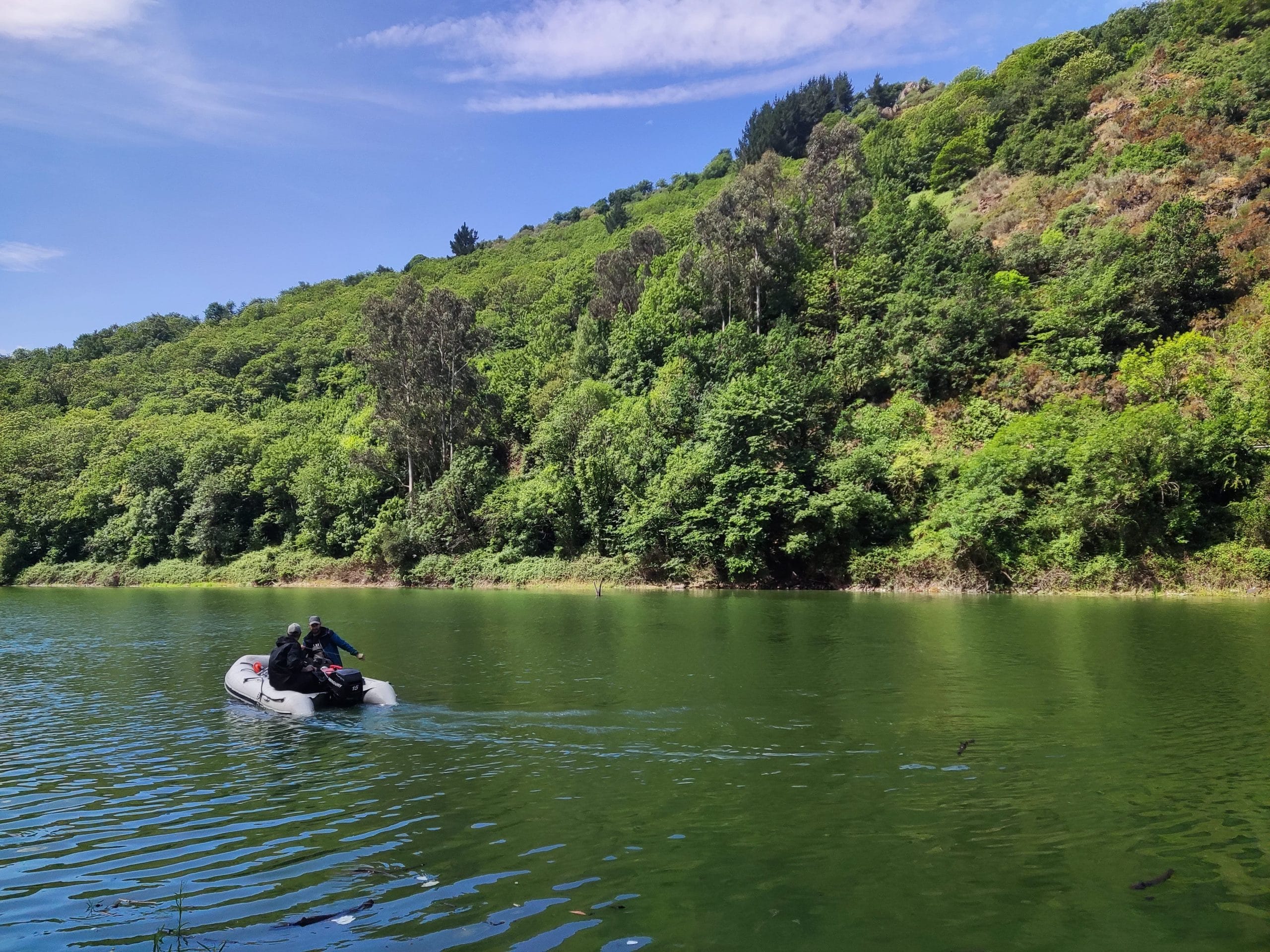
Location: La Barca reservoir (Asturias).
Dates: 2023 – 2025
Area: Environmental assessment and biodiversity
The main objective of this project was to analyze the causes, evolution and consequences of algal blooms (phytoplankton blooms) in La Barca reservoir, as part of the environmental monitoring requested by EDP.
Through a detailed study, we sought to design early warning tools, establish effective prevention measures and improve the management of the ecological quality of this reservoir.
What have been the main challenges?
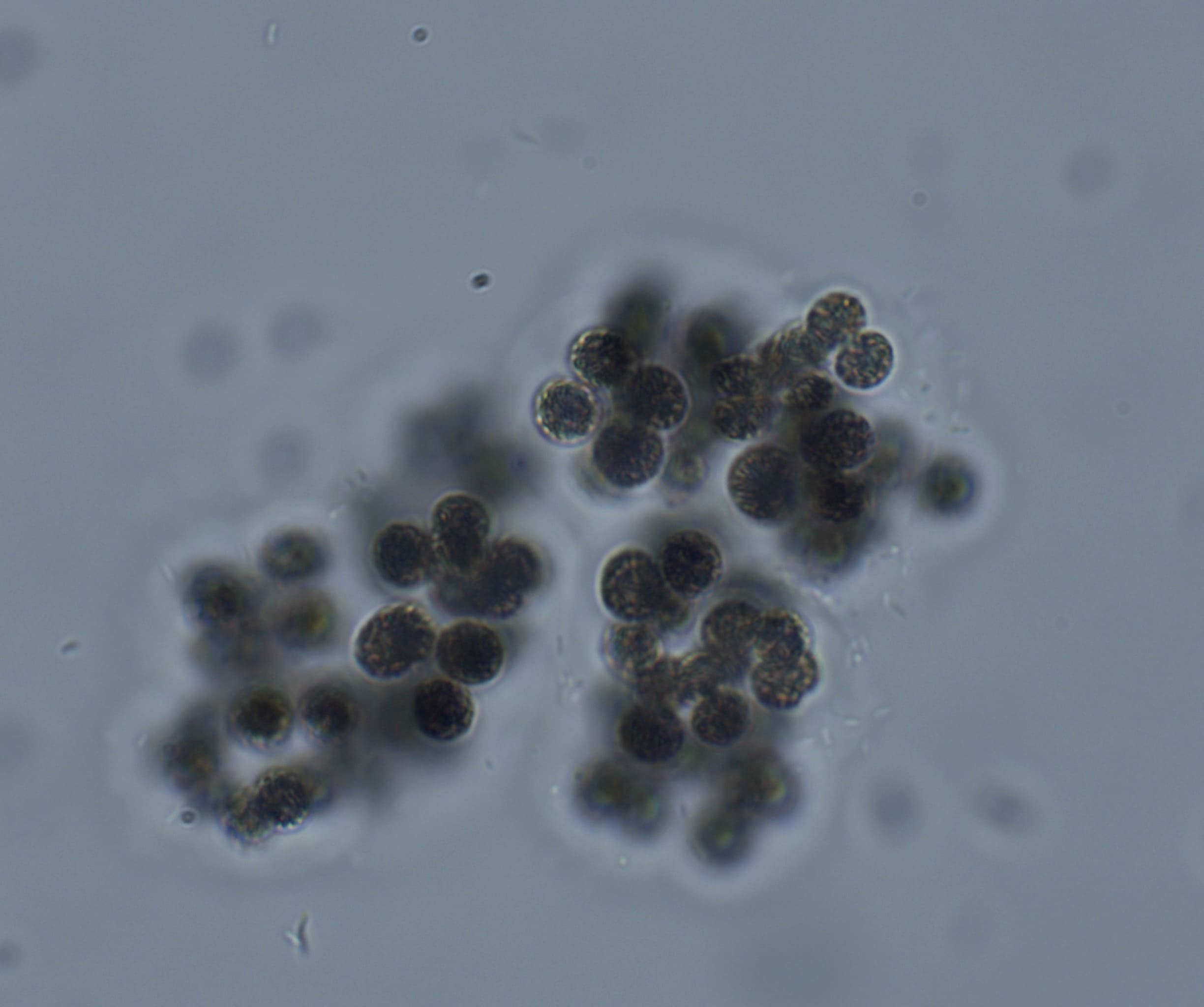
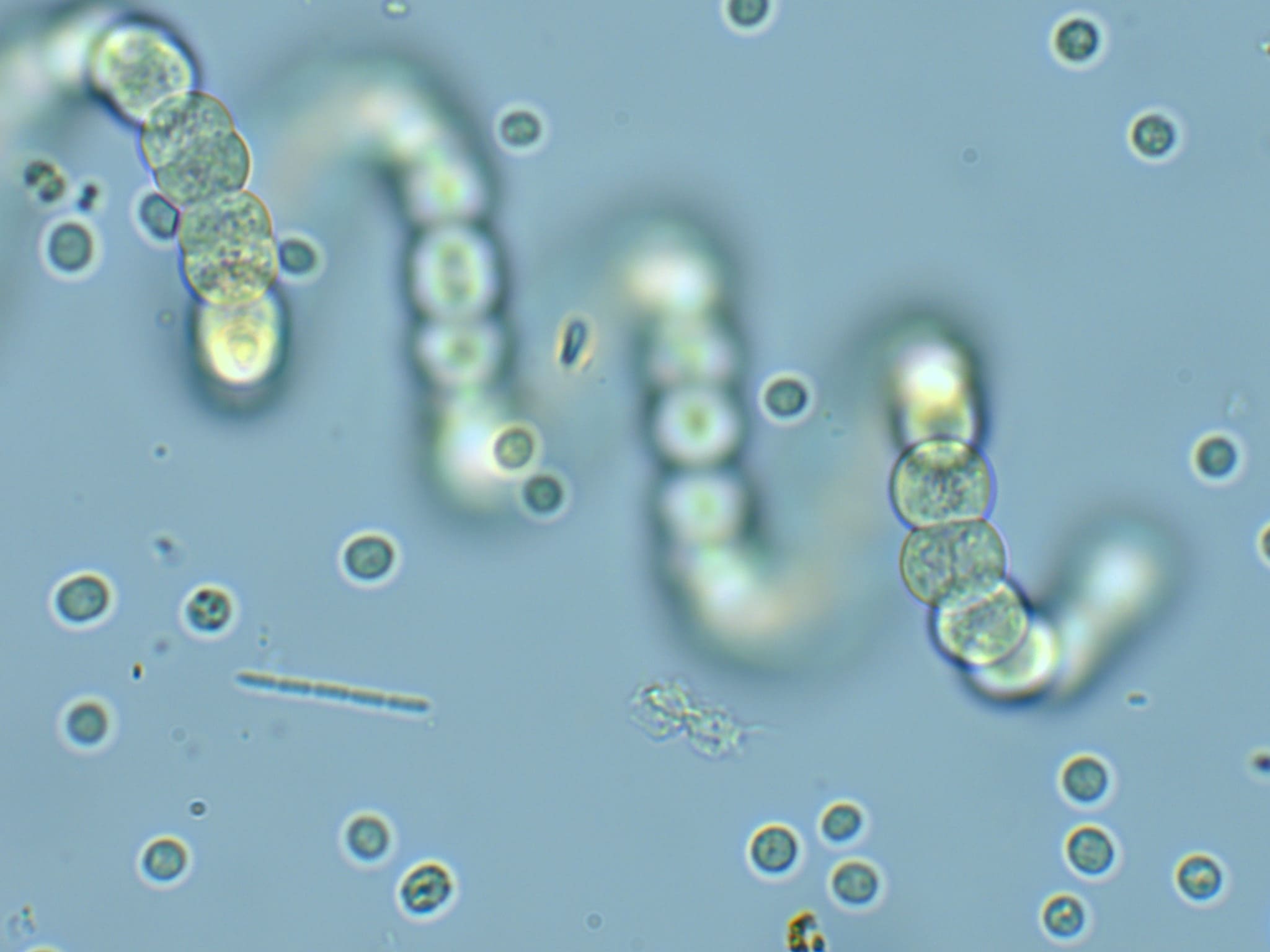
In recent years, and especially during the spring and summer, La Barca reservoir has shown an increasing frequency and intensity of phytoplankton blooms. These blooms, dominated by potentially toxic cyanobacteria, pose a great risk to both the health of the ecosystem and water quality.
Recent climatic conditions, with high temperatures and low rainfall, have prolonged the presence of these phenomena until well into autumn, thus aggravating the eutrophication process.
The main challenge was to characterize very precisely the dynamics of these events and to understand their variability along the reservoir, an aspect that is not usually addressed in sufficient depth in standard protocols.
What did we do from TAXUS Environment?
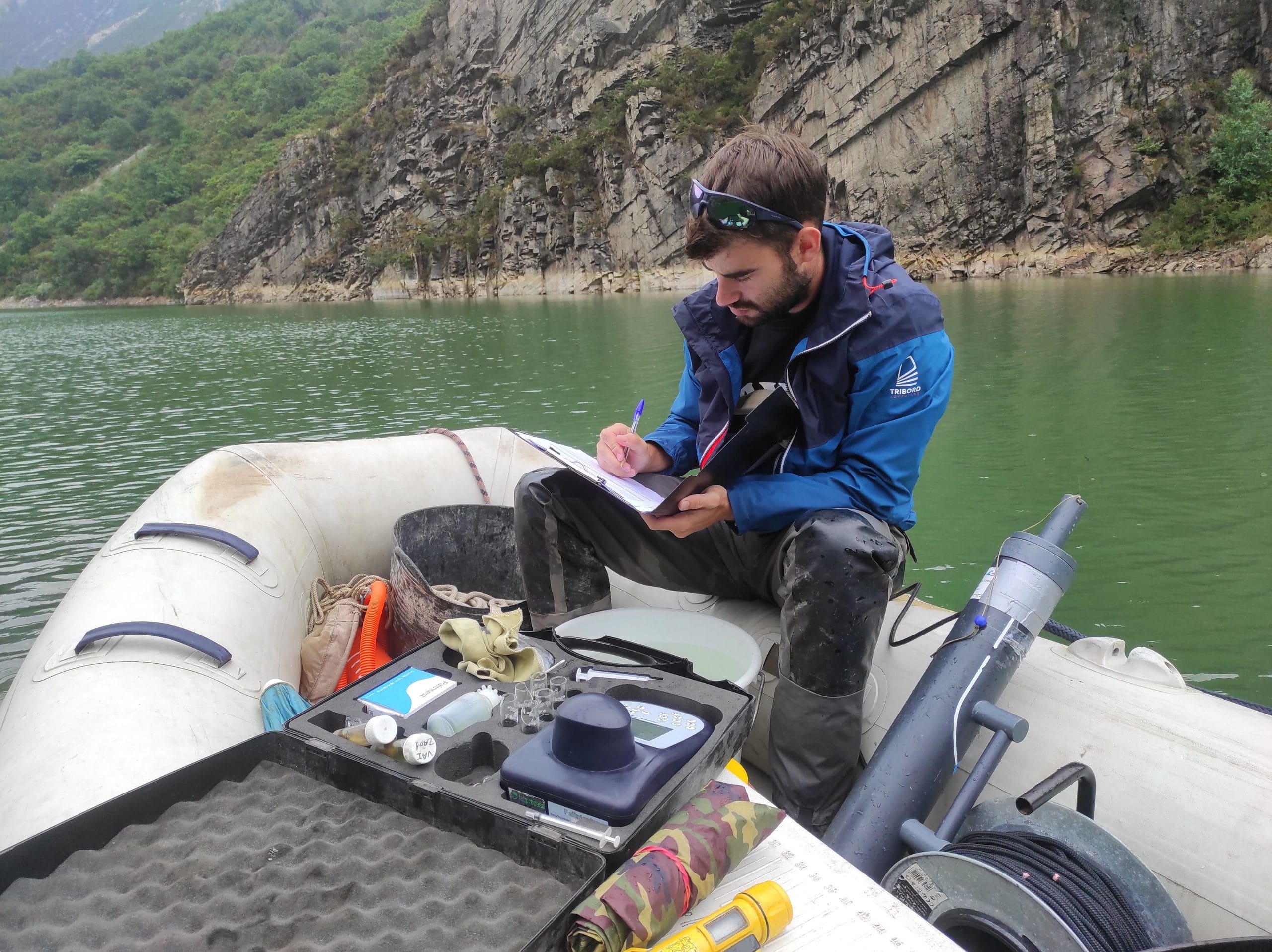
The Environmental Assessment and Biodiversity area of TAXUS Environment designed and implemented an environmental monitoring campaign between May and November 2023, coinciding with the critical period for the formation of blooms. Along the longitudinal axis of the reservoir -from the tail of the Narcea River to the dam area-, four sampling stations were established in order to analyze not only the temporal but also the spatial variation of the phytoplankton communities.
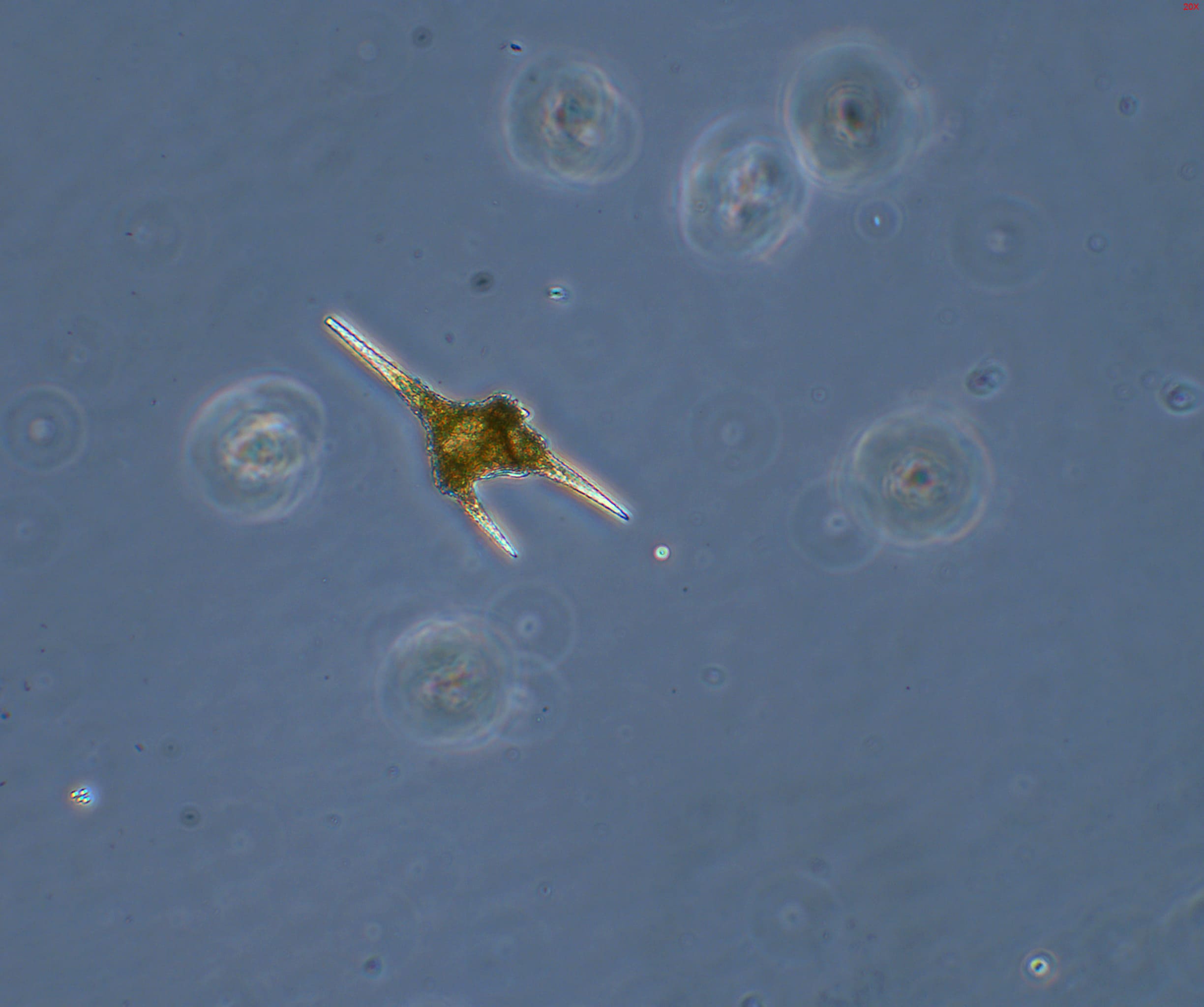
During the development of this campaign, physicochemical parameters -temperature, oxygen, turbidity and pH-, chemical parameters -phosphorus and nitrogen-, and biological parameters -composition and abundance of phytoplankton- were analyzed and collected. In addition, satellite images were evaluated to reinforce the interpretation of the spatial dynamics of the blooms.
Since these organisms show a great variability depending on environmental conditions and the time of the year, monitoring is carried out annually at a rate of 2 campaigns per year in alternating seasons (winter-spring, summer-autumn).
What have been the key results?
This study confirmed significant seasonal and spatial variation in phytoplankton composition and abundance. The blooms started systematically at the tail of the reservoir and progressed towards the dam area. These proliferations differed in magnitude depending on the location of the sampling area, with, for example, a maximum cell density of 134,212 cells/ml obtained in the weir area on August 1, compared to a maximum of 16,680 cells/ml obtained in the weir area during the month of October.
Taxonomically, a community dominated by diatoms and cyanobacteria was observed, with cyanobacteria dominating in the summer period and diatoms during the spring and autumn periods.
Regarding the study of the quality of the water body in terms of ecological potential, a spatial and seasonal variation is observed, with a significant decrease in quality during the summer and early autumn. Regarding the thermal behavior of the water body, in terms of stratification, the formation of thermoclines is detected in all the sampling stations during the summer period, with this stratification disappearing once autumn has begun.
Taking into account all these indicators, and given that the phytoplankton blooms originate in the tail of the Narcea River, it was concluded that mitigation and prevention measures should be implemented and focused on the tail of the reservoir, this result being of great relevance given the large size of the La Barca reservoir.
An action plan was drawn up based on three alert levels, with specific early detection indicators, and specific measures were proposed, such as theinstallation of forced mixing systems or the use of “limnocorrales” with natural algal growth inhibitor materials. These actions are aimed at mitigating the effects of eutrophication and improving the ecological state of the reservoir.
The main objective of this project was to analyze the causes, evolution and consequences of algal blooms (phytoplankton blooms) in La Barca reservoir, as part of the environmental monitoring requested by EDP.
Through a detailed study, we sought to design early warning tools, establish effective prevention measures and improve the management of the ecological quality of this reservoir.
In recent years, and especially during the spring and summer, La Barca reservoir has shown an increasing frequency and intensity of phytoplankton blooms. These blooms, dominated by potentially toxic cyanobacteria, pose a great risk to both the health of the ecosystem and water quality.
Beatriz Villazán Jefa de proyectos del Área de evaluación ambiental y biodiversidad. Departamento de ecosistemas acuáticos continentales